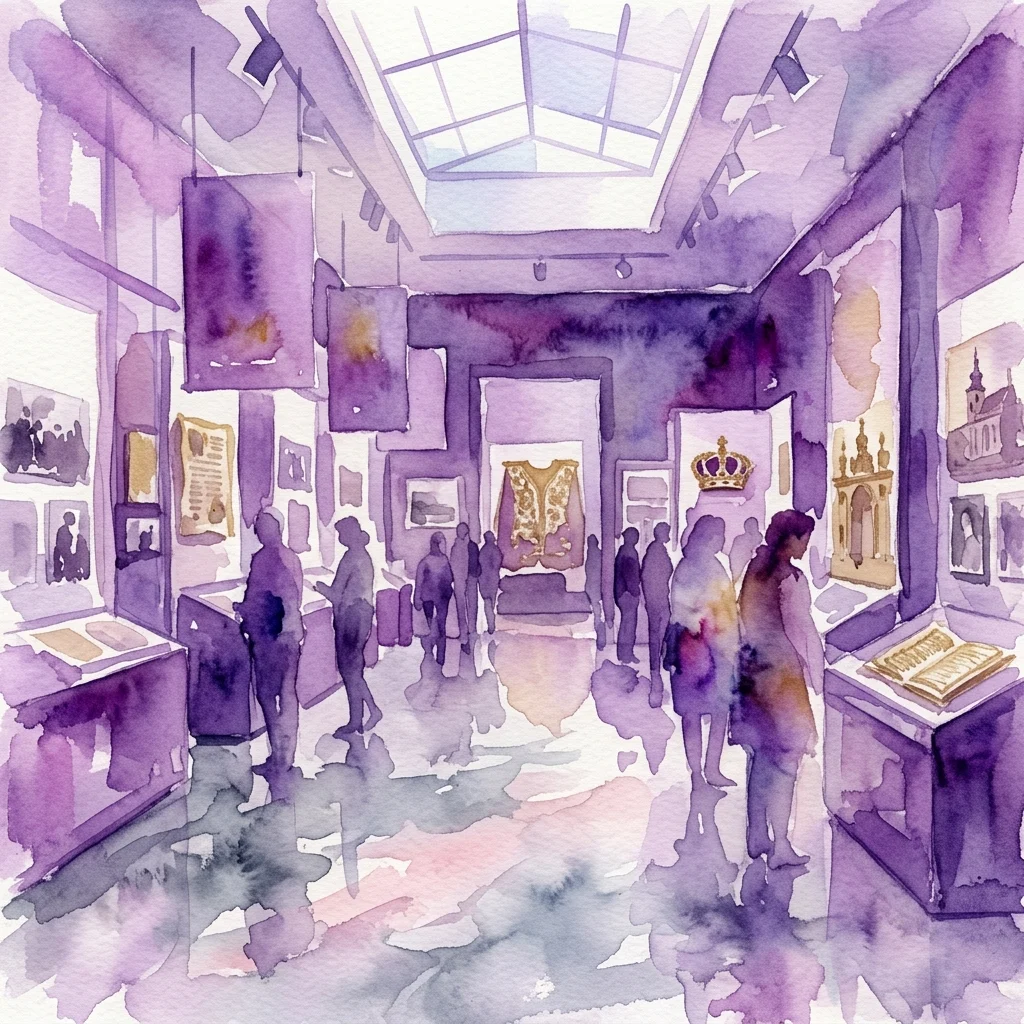
This permanent exhibition at the Museum of Independence's Radzymin branch details the strategic significance of the Battle of Warsaw in the Polish-Bolshevik War. It explores the military events, political context, and the impact on the local community, presenting artifacts, archival materials, and contemporary art.
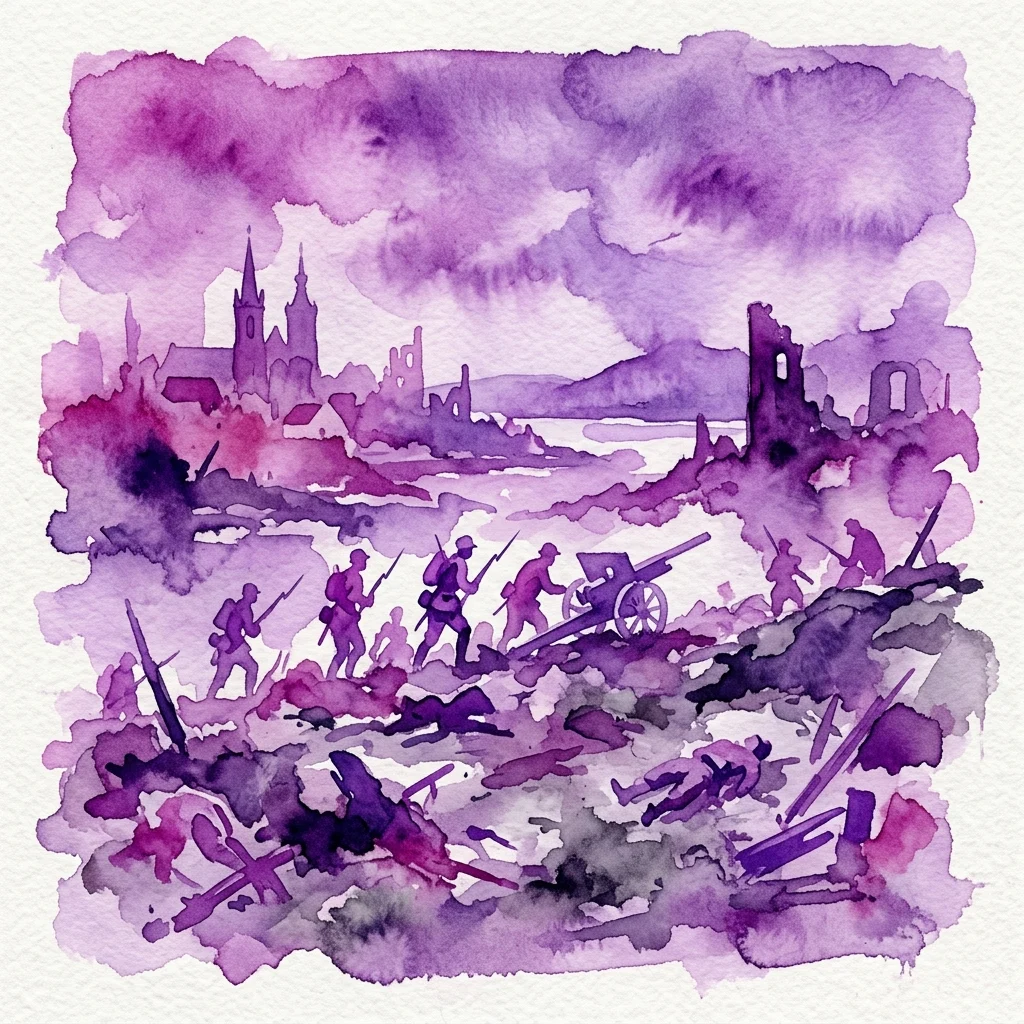
The permanent exhibition 'Wystawa stała Muzeum Bitwy Warszawskiej 1920 roku w Radzyminie' at the Museum of Independence in Radzymin focuses on the pivotal Battle of Warsaw (1920), a crucial event in the Polish-Bolshevik War that shaped the future of the Second Polish Republic. The exhibition aims not only to present military facts but also to highlight the experiences of the local community caught in the war's epicenter.
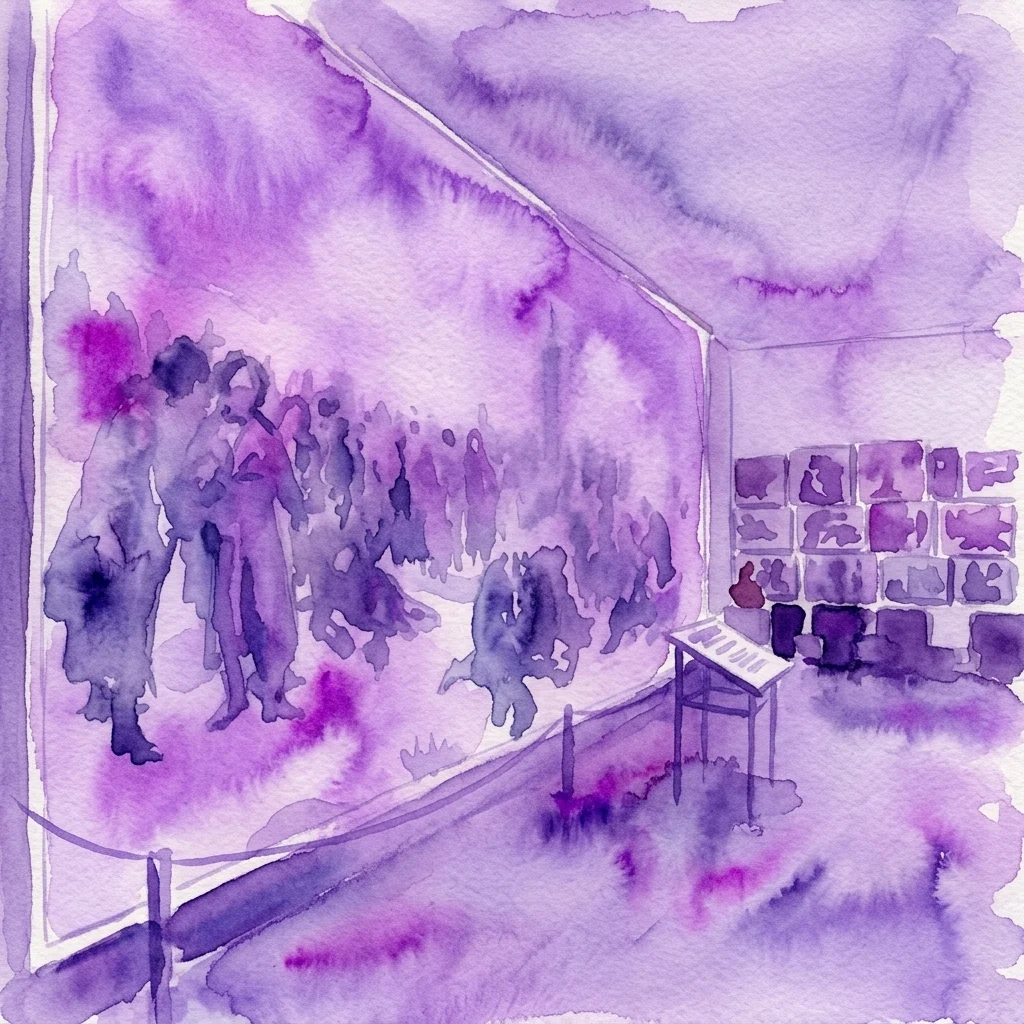
The exhibition's design, developed by Beton (Marta and Lech Rowińscy) based on a concept by dr. Paweł Bezak and dr. Tadeusz Skoczek, combines historical narrative with unique structural solutions. It features two distinct paths: a primary one with concise informational texts, maps, timelines, and archival photographs covering the battle's prelude, course, and consequences, and a secondary path in multimedia kiosks offering biographical notes and source materials for deeper exploration. A strong emphasis is placed on Radzymin's role, with a dedicated section in the historic 'Świetlica Pielgrzyma' building telling the story of the town and its inhabitants' contribution to the Polish victory.
The core of the exhibition comprises hundreds of artifacts from the Polish-Bolshevik War period, including unique items and contemporary art commemorating the 'Miracle on the Vistula.' These include personal relics like a Silver Cross of the Virtuti Militari awarded to Lieutenant Brunon Romiszewski, who was wounded in the fighting, and posthumously awarded to Paulina Choromańska for espionage. The collection also showcases propaganda posters from 1920, soldier's uniforms and equipment from the era (such as a French Mle1893 backpack), and weaponry like the French Berthier Mle 1907/15 rifle. Contemporary art pieces by Magdalena Latosiewicz and Hakob Mikayelyan are also featured, reflecting on the historical events.