Explore the Aleja Szucha Gestapo Investigation Prison: A Multimedia Exhibition in Warsaw
This permanent exhibition in Warsaw details the harrowing history of WWII resistance and Gestapo terror through immersive displays.
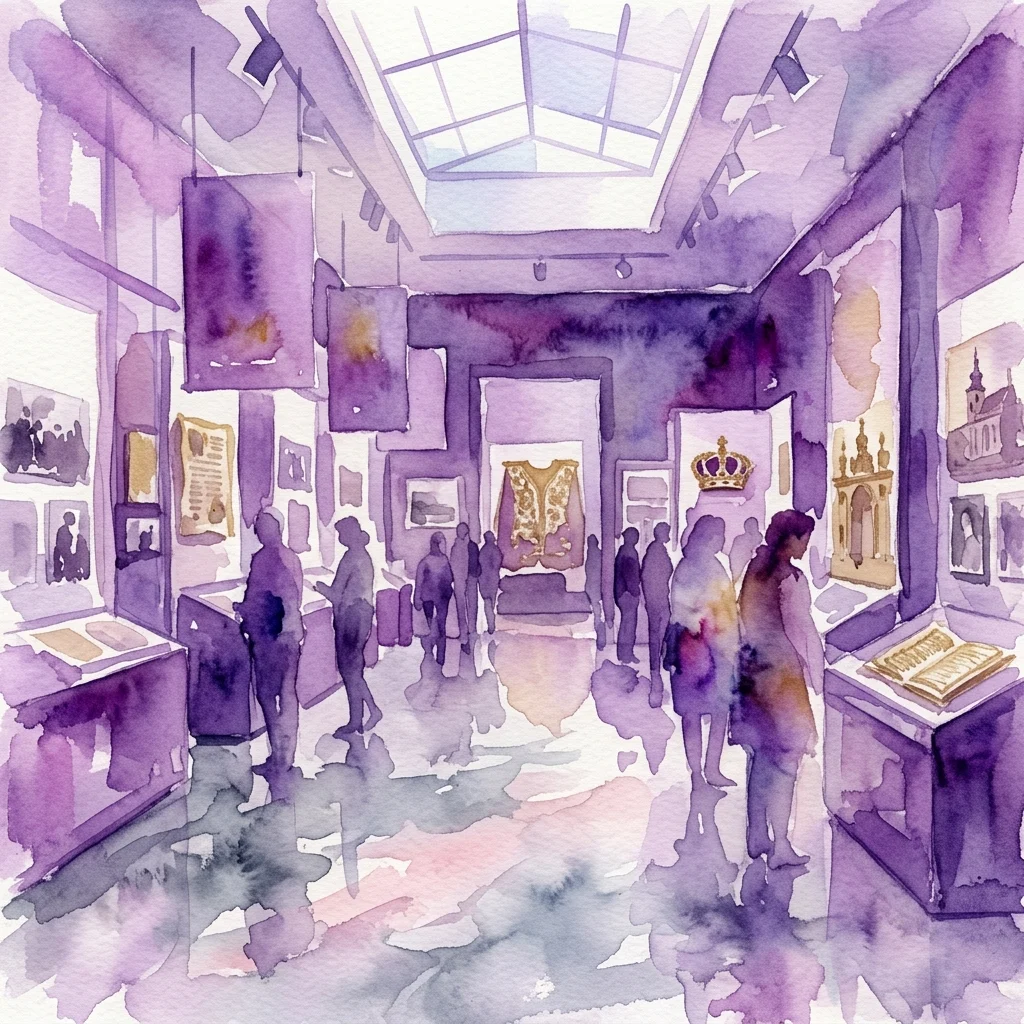
The Museum of Independence in Warsaw hosts this profound multimedia exhibition, recreating the grim reality of the Gestapo investigation prison at Aleja Szucha during World War II. Visitors experience historical narratives through film screenings, detailed displays, and authentically preserved prison cells. The exhibit thoughtfully covers wartime occupation, brutal interrogations, courageous resistance, and the enduring memory of those impacted by Warsaw's difficult past.
About Wystawa multimedialna Aleja Szucha - Areszt śledczy Gestapo at Museum of Independence in Warsaw
Read curatorial context and practical visitor information for Wystawa multimedialna Aleja Szucha - Areszt śledczy Gestapo at Museum of Independence in Warsaw
Exhibition summary
This permanent multimedia exhibition at the Museum of Independence in Warsaw reconstructs the experience of the Gestapo investigation prison at Aleja Szucha. Through film screenings, historical displays, and preserved prison spaces, it delves into the terror, resistance, and memory associated with this site during WWII.
Curatorial context
The multimedia exhibition "Aleja Szucha - Gestapo Investigation Prison" is a permanent display at the Museum of Independence in Warsaw, opened on February 17, 2008. It offers a profound and harrowing glimpse into the site of the Gestapo's investigation prison. The exhibition is designed to immerse visitors in the history of this place through a combination of cinematic experiences and historical information.
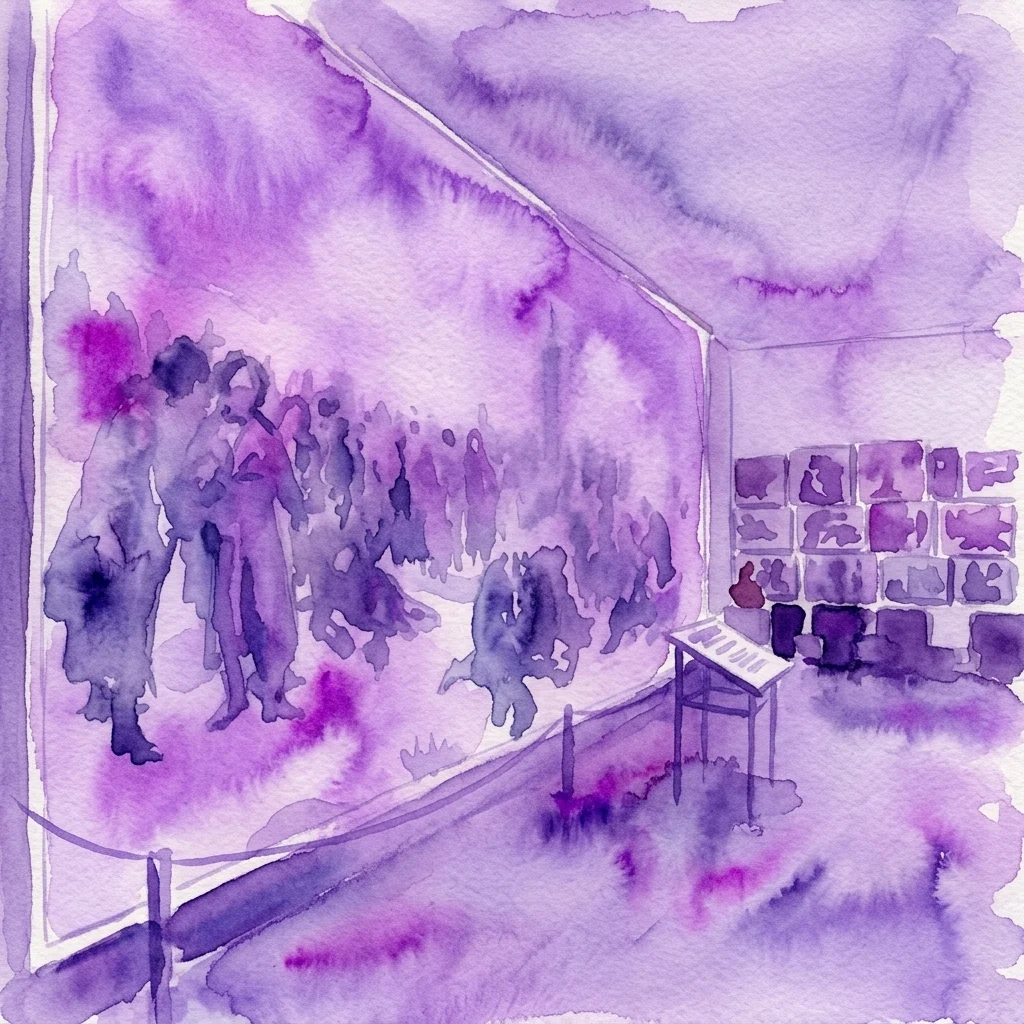
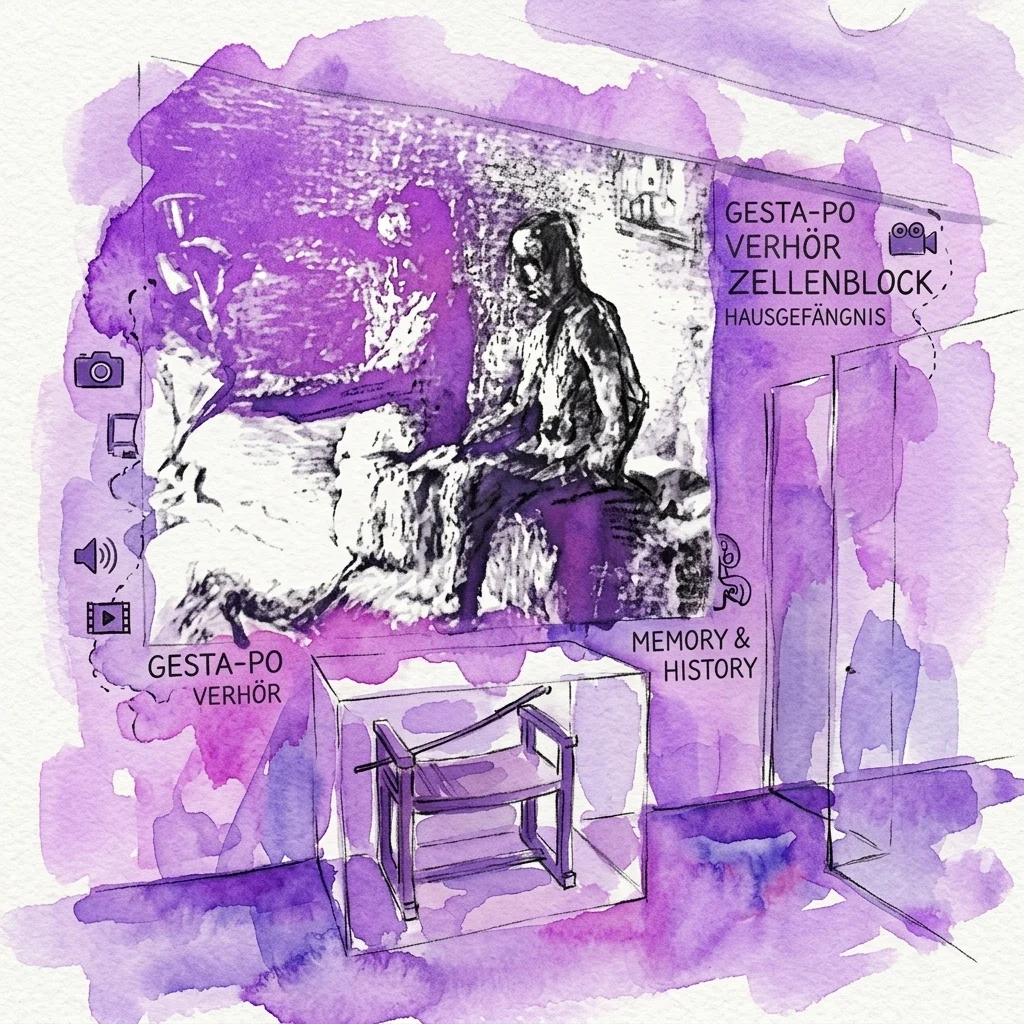
Visitors begin their journey with the film "Faces of the Tortured," which features the names and faces of those interrogated and who died under torture at Szucha Avenue, accompanied by a narration detailing the site's history. Following this, visitors move to a corridor parallel to the isolation cells, where four multimedia stations present historical narratives. These stations cover the "Defensive War and Occupation," detailing pre-war annexations, the September 1939 campaign, Nazi policies, the liquidation of elites, and the extermination of Jews; "The Road from Pawiak to Szucha," illustrating the path to interrogation and the context of occupied Warsaw and concentration camp transports; "Terror and Resistance," highlighting the martyrdom of Warsaw's residents, sabotage actions, assassinations of Nazi officials, crimes committed during the Warsaw Uprising, and trials of Nazi war criminals; and "Memory," which presents biographies and photographs of prisoners who died during interrogations or from injuries sustained at Szucha.
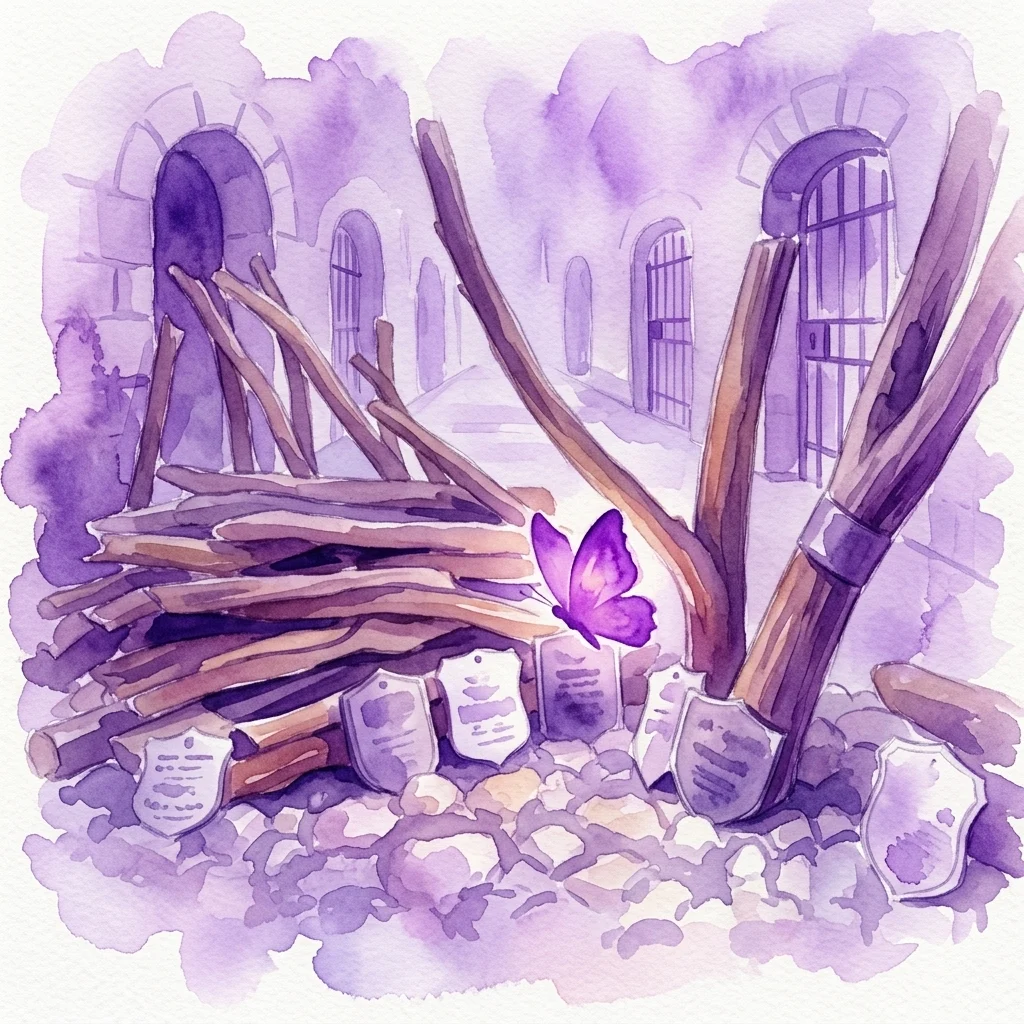
The most significant aspect of the exhibition is the preserved Gestapo prison spaces, including corridors, collective cells, isolation cells, and the duty officer's room where interrogations took place. These areas are enhanced by four film vignettes: "Signs of Being Cornered," "The Will to Survive," "Traces of Suffering" (featuring inscriptions on cell walls), and "Images of Interrogations" (drawings by Stanisław Tomaszewski-Miedzy), along with the narration "Testimonies of Truth" (letters from prisoners). The exhibition also features preserved torture instruments and urns with earth from concentration camps to which prisoners were deported.
Admission and ticket notes
A link to purchase tickets is provided on the page. Admission details are not specified beyond the ticket purchase option, implying it may be tied to general museum entry or a specific exhibition ticket.
This is a permanent exhibition, and visitors can purchase tickets to access it.
Review exhibition status, schedule, venue context, and attribution details for Wystawa multimedialna Aleja Szucha - Areszt śledczy Gestapo at Museum of Independence in Warsaw
Venue
Museum of Independence
Current status
Open now
Exhibition schedule
From Feb 17, 2008
Artist line / attribution
The exhibition's concept and script were developed by Magdalena Wolanowska, Joanna Gierczyńska, and Witold Żarnowski. The graphic design was by Żaneta Govenlock and Violetta Damięcka. Visualizations and multimedia station designs were created by Jan Rusiński, with film visualizations by Żaneta Govenlock. Film screenings include "Images of Interrogations" by Stanisław Tomaszewski-Miedzy.
Warsaw
Discover What's On: Find Current Exhibitions Across Warsaw's Cultural Scene
Explore diverse art, historical displays, and cultural shows in the capital.
Seamlessly browse through an array of captivating exhibitions throughout Warsaw. Easily pinpoint your next cultural adventure, from major art installations to insightful historical presentations. Find new and inspiring displays to enrich your visit.