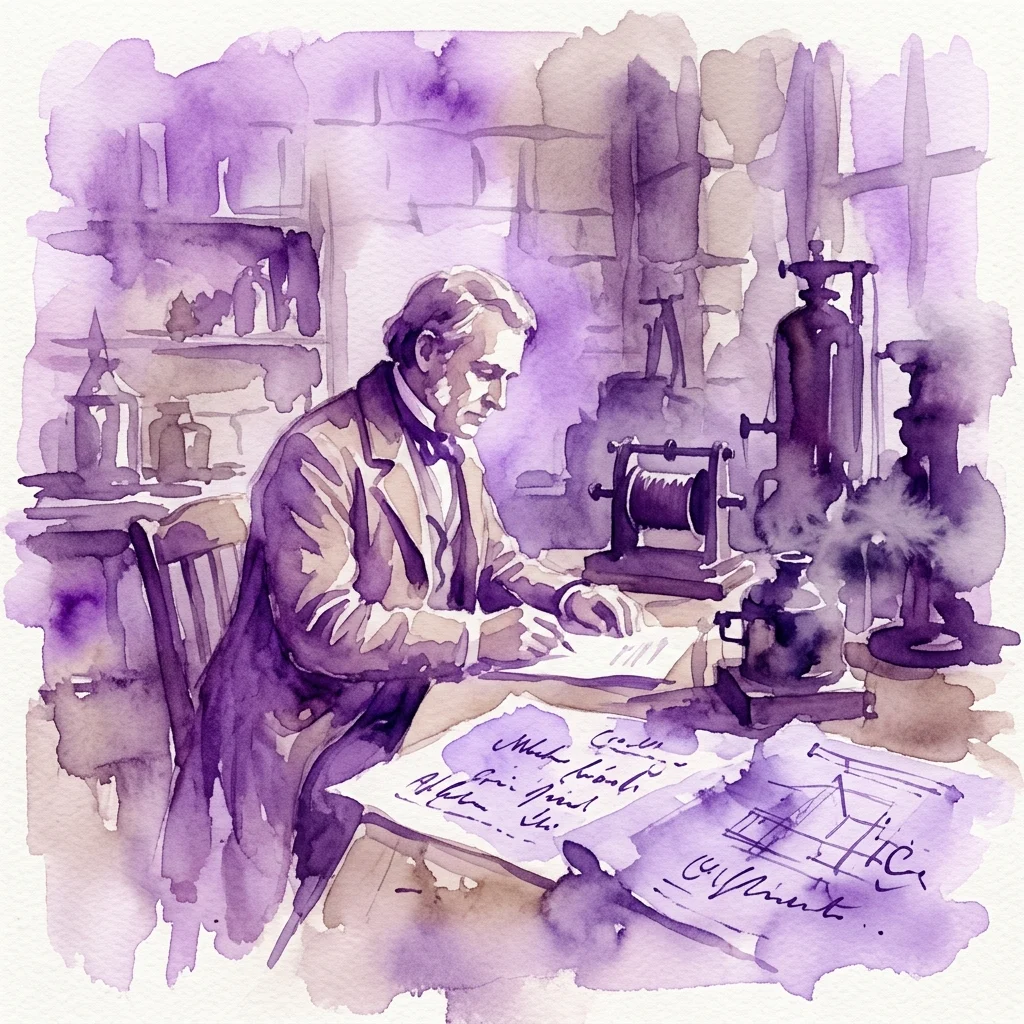
Explore Polish Technological Contributions and World War II Victory Exhibition
Discover the ingenuity of Polish scientists and engineers through their pivotal wartime inventions and scientific breakthroughs.
This exhibition unveils the remarkable and often-unsung impact of Polish innovators on the technological landscape and ultimate outcome of World War II. Explore how figures like Marian Rejewski and Józef Kosacki made crucial advancements in cryptography, radio, aviation, and mine detection. Understand the profound influence of their work on Allied success and future scientific progress.
About Contribution of Poles to the Development of Technology and Victory during World War II at National Museum of Technology in Warsaw in Warsaw
Read curatorial context and practical visitor information for Contribution of Poles to the Development of Technology and Victory during World War II at National Museum of Technology in Warsaw in Warsaw
Exhibition summary
This temporary exhibition highlights the crucial contributions of Polish scientists and engineers to the technological advancements and ultimate victory during World War II. It showcases individual achievements in fields such as radio technology, aviation, cryptography, and mine detection, demonstrating the profound impact of Polish ingenuity on the course of the conflict.
Curatorial context
The exhibition 'Contribution of Poles to the Development of Technology and Victory during World War II' delves into the often-overlooked but vital role played by Polish intellect and innovation during the global conflict. Beyond the battlefield, Polish scientists and engineers worked in laboratories, workshops, and design studios, developing technologies that significantly influenced the war's progression and outcome. The exhibition profiles several remarkable individuals, including Władysław Świątecki, who designed bomb ejectors; Jerzy Rudlicki, known for his butterfly tailplane and bomb ejectors; Tadeusz Heftman, creator of crucial radio stations; Juliusz Hupert, who developed vital radio transmitters; Wacław Czerwiński, an aviation engineer and glider designer; Wacław Struszyński, who developed critical radio direction-finding equipment for anti-submarine warfare; Henryk Magnuski, inventor of portable radios that revolutionized battlefield communication; Marian Rejewski, a cryptologist who broke the Enigma code; Józef Kosacki, inventor of the Polish Mine Detector; and Rudolf Gundlach, designer of the reversible periscope for tanks. Their work, often carried out under challenging circumstances and in exile, not only contributed to Allied victory but also laid the groundwork for future technological developments.
Admission and ticket notes
Visitors are encouraged to plan their visit via the provided link. Specific ticketing details for this exhibition may be found on the museum's 'Plan your visit' page or by contacting the museum directly, as ticket information is not detailed on this page.
Contribution of Poles to the Development of Technology and Victory during World War II key exhibition facts
Review exhibition status, schedule, venue context, and attribution details for Contribution of Poles to the Development of Technology and Victory during World War II at National Museum of Technology in Warsaw in Warsaw
Venue
National Museum of Technology in Warsaw
Current status
Open now
Exhibition schedule
Information not currently available
Artist line / attribution
Features the contributions of Władysław Świątecki, Jerzy Rudlicki, Tadeusz Heftman, Juliusz Hupert, Wacław Czerwiński, Wacław Struszyński, Henryk Magnuski, Marian Rejewski, Józef Kosacki, and Rudolf Gundlach.
Warsaw
Discover What's On: Find Current Exhibitions Across Warsaw's Cultural Scene
Explore diverse art, historical displays, and cultural shows in the capital.
Seamlessly browse through an array of captivating exhibitions throughout Warsaw. Easily pinpoint your next cultural adventure, from major art installations to insightful historical presentations. Find new and inspiring displays to enrich your visit.