Rembrandt House Museum Presents 'Rembrandt & Amsterdam' Summer Exhibition
The Rembrandt House Museum in Amsterdam is inviting visitors to experience the city through the eyes of its most famous resident with its new summer exhibition, "Rembrandt & Amsterdam." Opening on May 23 and running until September 7, 2025, the exhibition offers a unique perspective on 17th-century Amsterdam as the city celebrates its 750th anniversary.
Visitors will explore what made Amsterdam exceptional 400 years ago, as depicted in 60 prints and drawings from the museum's own collection. The exhibition showcases familiar buildings, distinctive locales, and the surrounding natural beauty that inspired Rembrandt throughout his life.
Exploring Amsterdam Through Rembrandt's Art
Rembrandt moved to Amsterdam around the age of 25 and remained there, finding a wealth of subjects for his art, from the bustling city center to tranquil walks beyond the city walls. His prints and drawings captured the essence of daily life and the urban landscape.
The exhibition highlights include:
Iconic Views and Hidden Gems
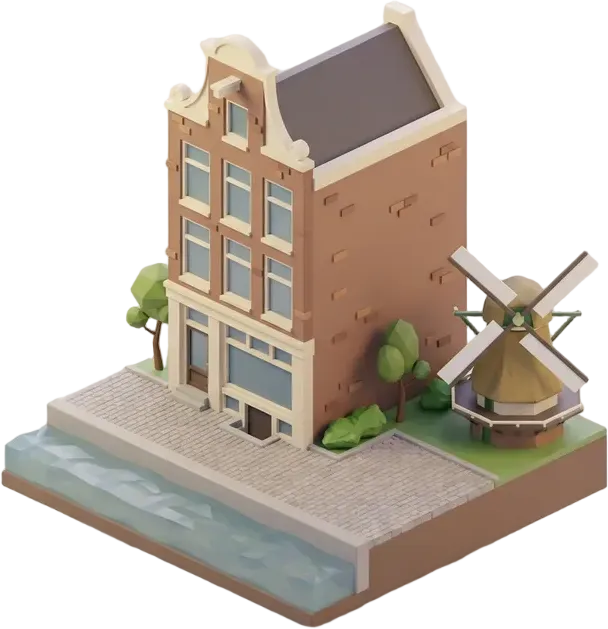
Rembrandt documented various facets of Amsterdam, including the "Kleine Stinkmolen," a windmill located on a city bulwark near the Looiersgracht, which offered expansive views over the meadows. Despite its picturesque setting, the windmill's name ("Little Stinky Mill") came from its use in processing leather with cod liver oil. Another notable depiction is the ruins of the medieval Amsterdam City Hall on Dam Square, which was destroyed by fire in 1652. Interestingly, Rembrandt chose to capture the aftermath of the blaze rather than the grand new city hall that replaced it.
People and Everyday Life
The vibrant street life of 17th-century Amsterdam, filled with a diverse cast of characters, fascinated Rembrandt. His works portray merchants, beggars, intellectuals, and even quacks selling dubious remedies. This tapestry of urban inhabitants, from a figure resembling a peddler to a wandering mendicant or a drunkard, reveals a city not so different in its human interactions from Amsterdam today.
Leisure and Recreation
Beyond the city's confines, Rembrandt often ventured along the Amstel river. His depiction of "De Omval," a sharp bend in the river that was once a prime spot for birdwatching, also discreetly shows a couple enjoying a private moment in the bushes. Within the city, sports like "beugelen" (a type of ball game played with a wooden club) and social gatherings in taverns and playhouses were popular forms of entertainment, offering insights into the city's recreational activities.
Portraits of Prominent Amsterdammers
The exhibition also features portraits of well-known Amsterdam citizens. These include Johannes Lutma, a renowned silversmith whom Rembrandt portrayed with regal stature, and Clement de Jonghe, a print seller in Kalverstraat from whom one could purchase Rembrandt's etchings. These works offer a glimpse into the influential figures shaping Amsterdam's cultural and commercial landscape.
Engage with Rembrandt's Legacy
An accompanying publication, "Rembrandt & Amsterdam," featuring all exhibited prints and drawings with their stories, is available for purchase at the museum shop. Additionally, visitors are invited to the drawing studio on the third floor of the exhibition wing. Here, like Rembrandt himself, they can create their own drawings of landscapes, people, or buildings using provided materials and instructions. This free, ongoing activity is suitable for all ages from six years up.
For more details on the exhibition, further media resources are available in the museum's press kit.
Musemap (musemap.art) helps you uncover cultural experiences like this one. Discover more about the city's rich heritage and plan your next visit by exploring other museums in Amsterdam or finding the Rembrandt House Museum on our interactive map.