Warsaw
Open now

Odcinek 1. June 1976 – „Coś się dzieje!”: Exploring Poland's Crisis and Protests at History Meeting House

This multimedia episode details the dramatic events of Poland's 1976 food price hikes and subsequent worker resistance.

This in-depth multimedia exhibition at the History Meeting House explores the profound economic and social crisis that gripped Poland in 1976. It examines the government's arbitrary food price increases, leading to nationwide worker strikes and violent clashes, especially in Radom. Learn about the brutal reprisals and the subsequent formation of the Workers' Defence Committee (KOR), a pivotal moment in Polish social history.

About Odcinek 1. Czerwiec 1976 – „Coś się dzieje!” at History Meeting House in Warsaw

Read curatorial context and practical visitor information for Odcinek 1. Czerwiec 1976 – „Coś się dzieje!” at History Meeting House in Warsaw

Exhibition summary

This multimedia episode, "Episode 1. June 1976 – 'Something is Happening!'", delves into the economic and social crisis in Poland following the communist party's opening to Western loans in the 1970s. It details the arbitrary increase in food prices on June 24, 1976, and the subsequent nationwide strikes and violent clashes with militia, particularly in Radom.

Curatorial context

This multimedia episode, titled "Episode 1. June 1976 – 'Something is Happening!'", serves as an in-depth look into the critical period of Polish history following Edward Gierek's rise to power and his policies of opening the country to Western loans and technologies. While these policies initially boosted living standards, they led to unsustainable state debt and a severe economic and social crisis. The episode specifically highlights the arbitrary government decision on June 24, 1976, to significantly increase the prices of essential food items without any public consultation. In response to these drastic price hikes, widespread strikes erupted across Poland on June 25, 1976, with workers taking to the streets, most notably in Radom, Ursus, and Płock. The demonstrations, especially in Radom, escalated into violent confrontations with the militia. Fearing a repeat of the bloody events of December 1970, the authorities quickly rescinded the price increases on the same evening. However, this was followed by severe reprisals against the protesting workers. Those arrested were subjected to brutal treatment, including passing through 'health paths' of beating militiamen, and were often dismissed from work. Courts and disciplinary bodies imposed harsh sentences, labeling the demonstrators as criminals and hooligans, with some receiving multi-year prison terms. In the aftermath, a group of intellectuals stepped forward to defend the workers, initiating a support campaign that ultimately led to the formation of several opposition organizations, most significantly, the Workers' Defence Committee (Komitet Obrony Robotników – KOR). This episode is presented as part of a multimedia series based on materials from the Oral History Archive of the DSH and the KARTA Centre, with presentations prepared by Jarosław Pałka, Joanna Rączka, and Magda Szymańska.

Odcinek 1. Czerwiec 1976 – „Coś się dzieje!” key exhibition facts

Review exhibition status, schedule, venue context, and attribution details for Odcinek 1. Czerwiec 1976 – „Coś się dzieje!” at History Meeting House in Warsaw

Venue
History Meeting House
Current status
Open now
Exhibition schedule
From Mar 25, 2026
Artist line / attribution
Presentations prepared by Jarosław Pałka, Joanna Rączka and Magda Szymańska. Technical implementation by Maciej Kamiński, Dariusz Krajewski and Robert Radecki.
More from History Meeting House
Explore additional exhibitions from the same institution
Review other exhibitions from History Meeting House in Warsaw to compare themes, timelines, and program direction while planning your museum visit.
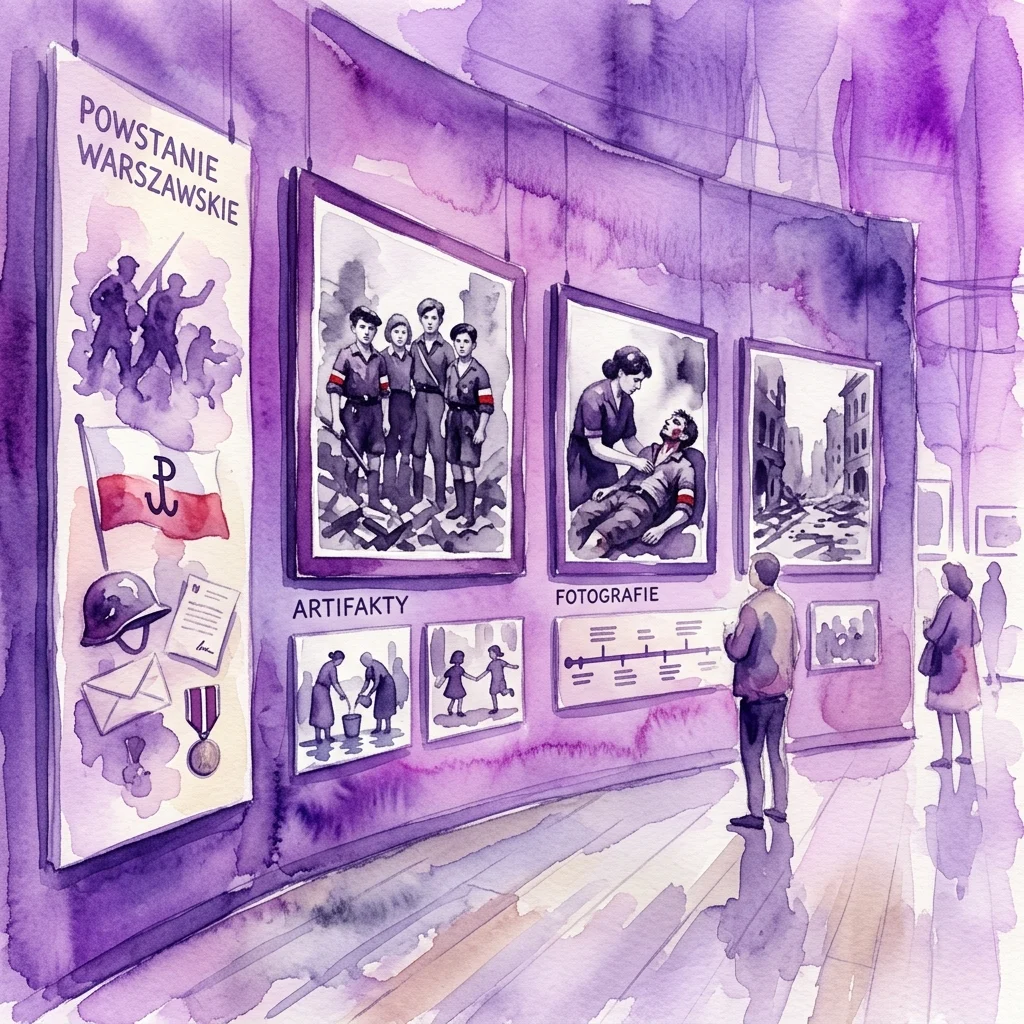
Discover the 'Warsaw Uprising 1944: Thirsty for Freedom' Exhibition and Personal Histories

Discover the 'Warsaw Uprising 1944: Thirsty for Freedom' Exhibition and Personal Histories

Explore a powerful exhibit on Polish history and World War II.

This exhibition presents authentic personal memories and artifacts from the Warsaw Uprising 1944. Learn about the daily lives, struggles, and hopes of insurgents through photographs and testimonies. Gain a unique insight into a pivotal chapter of Polish history.

Warsaw Uprising Exhibition
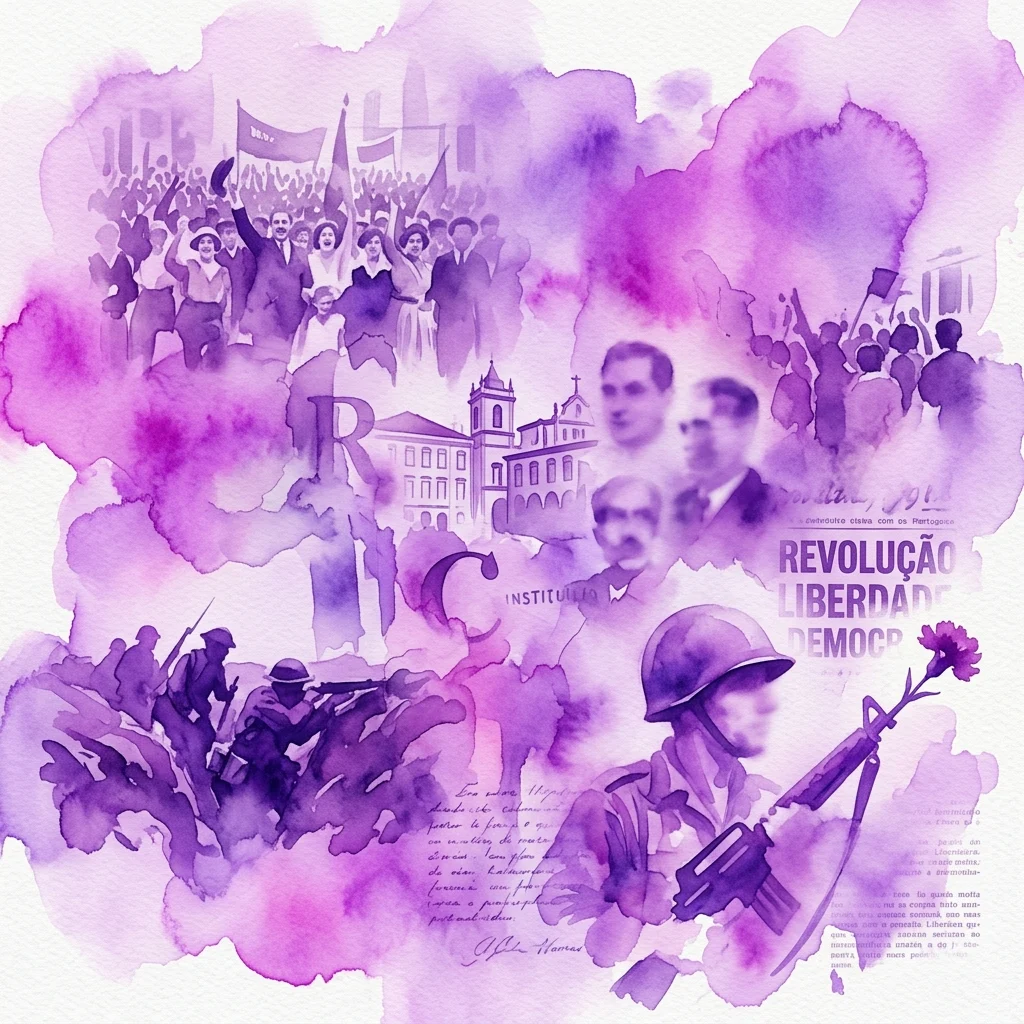
A purple watercolor illustration depicting key moments in Portuguese 20th-century history, including the Carnation Revolution, with text elements like 'Revolução', 'Liberdade', and 'Democracia' and imagery of soldiers, crowds, and historical figures.

Explore Portugal's 20th Century History: From Monarchy to Carnation Revolution

A visual and historical account with over 120 rare archival photographs.

Uncover Portugal's journey through its 20th-century political and social upheaval. This publication combines historical texts with over 120 previously unknown photographs, detailing key periods including the Salazar dictatorship and the Carnation Revolution.

Portuguese History
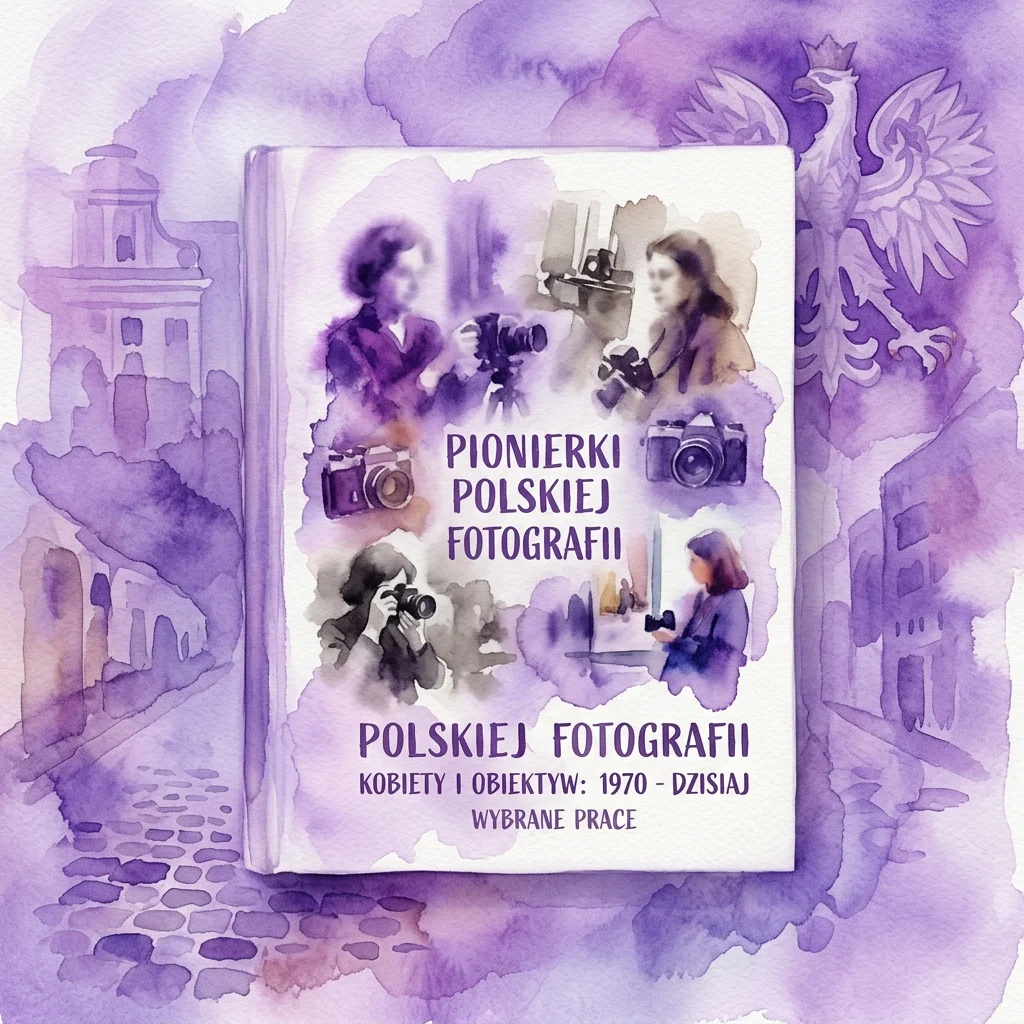
Book cover titled 'Pionierki Polskiej Fotografii' featuring watercolor illustrations of female photographers with cameras, set against a purple watercolor background with Polish architectural elements and an eagle emblem.

Monika Szewczyk-Wittek's Book on Pioneering Polish Female Photographers

Uncover their unique stories and impact on Polish visual arts.

This publication by Monika Szewczyk-Wittek highlights women photographers who shaped Polish visual culture. Explore their biographies and artistic contributions across various genres from the 1970s onward. A vital read for photography enthusiasts and historians.

Book Details
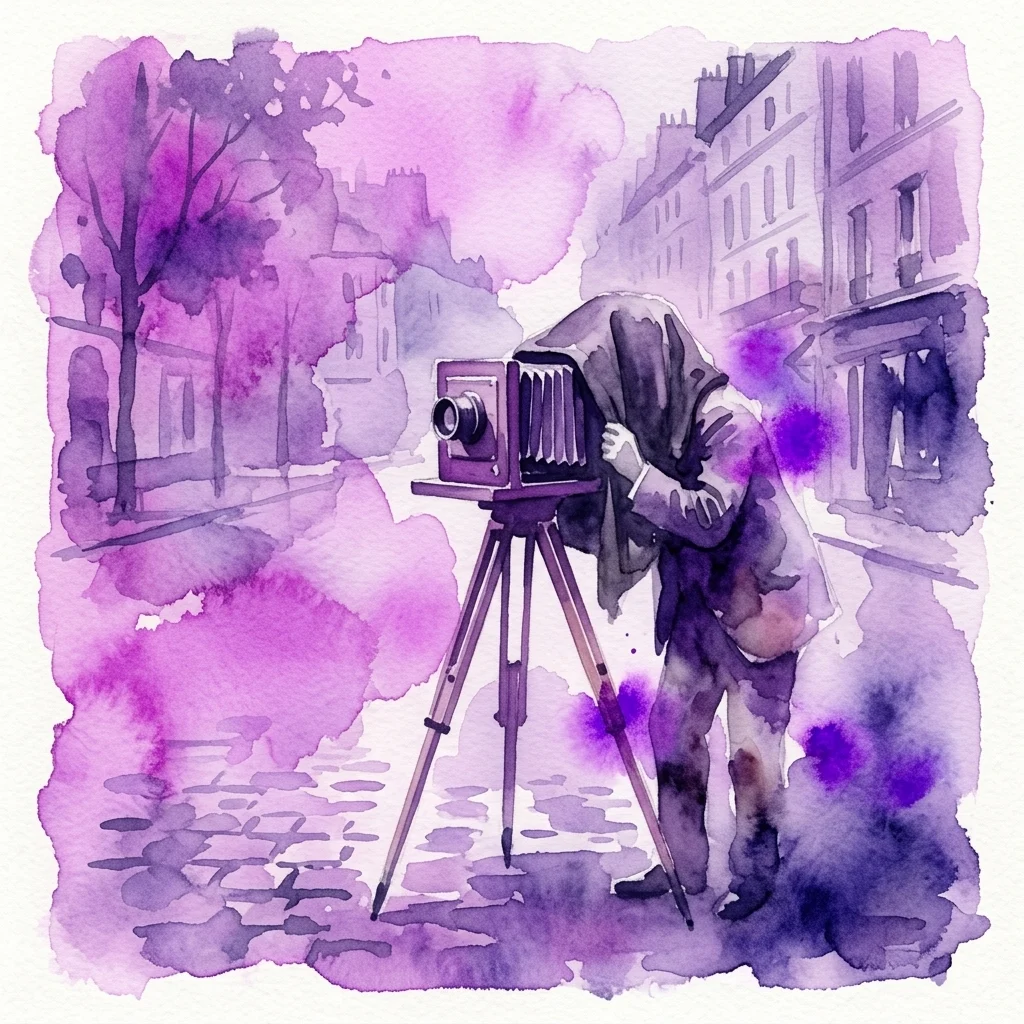
A watercolor illustration of a photographer using a vintage large-format camera on a tripod in a European street, evoking the photographic adventures of Witold Marczewski from Baku to Paris.

Witold Marczewski: From Baku to Paris Photographic Adventures Exhibition

A century-old journey showcasing global landscapes and historical moments.

Explore a unique collection by Witold Marczewski, a Polish electrical engineer and photography enthusiast. His vast archive captures diverse locations from Baku to Paris, documenting landscapes, architecture, historical events, and daily life through his lens.

View Exhibition Details
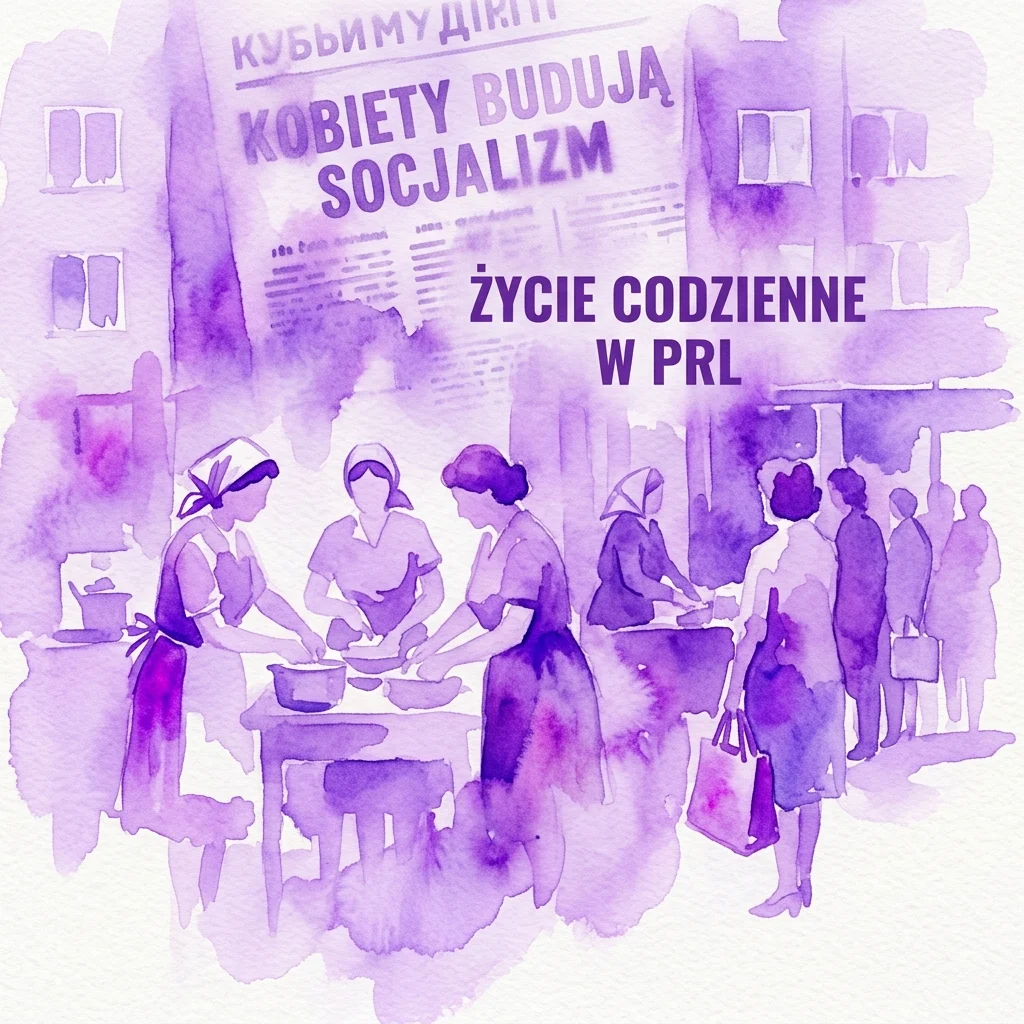
A purple watercolor illustration depicting women in domestic and social settings during the People's Republic of Poland, with text reading 'ŻYCIE CODZIENNE W PRL' and 'KOBIECY BUDUJĄ SOCJALIZM', referencing a book on women's daily life in the PRL era.

Błażej Brzostek Discusses 'Daily Life of Women in PRL' at the History Meeting House

Explore women's societal roles and experiences during the Polish People's Republic.

Join historian Błażej Brzostek as he discusses his latest book on the nuanced daily lives of women in the PRL. Gain insights into their historical context and personal motivations from this fascinating era.

Author Meeting Details
A purple watercolor illustration of a street scene with people, a tram, and buildings, evoking early 20th-century Poland.

Marjan Fuks: Early Polish Photojournalism and History Exhibition Catalog

Pioneering photographs of interwar Poland and its defining moments.

Discover the influential work of Marjan Fuks, the 'king of Polish photojournalists', through this historical exhibition catalog. It features his compelling images and insights into Poland's rebirth and social landscape. The catalog showcases documentation of pivotal events and daily life in interwar Warsaw.

Exhibition Catalog
Warsaw

Discover What's On: Find Current Exhibitions Across Warsaw's Cultural Scene

Explore diverse art, historical displays, and cultural shows in the capital.

Seamlessly browse through an array of captivating exhibitions throughout Warsaw. Easily pinpoint your next cultural adventure, from major art installations to insightful historical presentations. Find new and inspiring displays to enrich your visit.