Warsaw
Completed

Personal luggage. The Aftermath of March: An Exhibition on Polish Emigration Stories

Marking 50 years since March 1968, this exhibition uncovers the individual experiences of those who left Poland.

Delve into "Personal luggage. The Aftermath of March," an exhibition thoughtfully curated to commemorate the 50th anniversary of the significant events of March 1968 in Poland. It weaves together a rich, polyphonic narrative of post-March emigrants, using their cherished memories, personal letters, official documents, and evocative family photographs. This display illuminates their compelling life journeys within Poland and their new beginnings in Israel and beyond.

About Personal luggage. The Aftermath of March at History Meeting House in Warsaw

Read curatorial context and practical visitor information for Personal luggage. The Aftermath of March at History Meeting House in Warsaw

Exhibition summary

Marking the 50th anniversary of March 1968, this exhibition presents a polyphonic story of post-March emigrants from Poland. It uses memories, letters, documents, and photographs to explore their life stories in Poland and Israel.

Curatorial context

On the 50th anniversary of March 1968, the History Meeting House presents "Personal luggage. The Aftermath of March," a polyphonic story of the generation of post-March emigrants who left Poland. The exhibition is curated by Agata Tuszyńska and features memories, excerpts from letters, documents, and photographs from family albums, alongside present-day photographs inspired by the writer's work. Tuszyńska describes the protagonists as lifelong friends who treated each other as substitutes for family in Poland, forming a 'March family'. The exhibition includes photographs from the protagonists' family albums and their contemporary portraits by Włodek Pawłow. The personal narratives are contextualized by the historical background of March 1968, a period marked by anti-Semitic persecutions and political shifts. Following diplomatic tensions with Israel and a public speech by Władysław Gomułka comparing Poles of Jewish origin to a 'fifth column,' a nationwide campaign against 'hidden Zionists' began. This led to thousands of citizens of Jewish origin losing their jobs or facing harassment, with emigration procedures implemented for those declaring alienage. Between 1968 and 1971, around thirteen thousand people left Poland, with a significant portion settling in Israel, while others moved to Western Europe and North America. The anti-Semitic propaganda of 1968 had a profound impact on Polish science and culture, contributing to the emigration of scholars, journalists, musicians, and filmmakers.

Admission and ticket notes

The exhibition is presented by the History Meeting House. Visitors are directed to the official website for further details, but specific ticketing information for this exhibition is not provided on this page beyond general museum opening hours and location.

Personal luggage. The Aftermath of March key exhibition facts

Review exhibition status, schedule, venue context, and attribution details for Personal luggage. The Aftermath of March at History Meeting House in Warsaw

Venue
History Meeting House
Current status
Completed
Exhibition schedule
Mar 7, 2018 – May 20, 2018
Artist line / attribution
The exhibition is curated by writer and reporter Agata Tuszyńska, with contemporary portraits by photographer Włodek Pawłow.
More from History Meeting House
Explore additional exhibitions from the same institution
Review other exhibitions from History Meeting House in Warsaw to compare themes, timelines, and program direction while planning your museum visit.
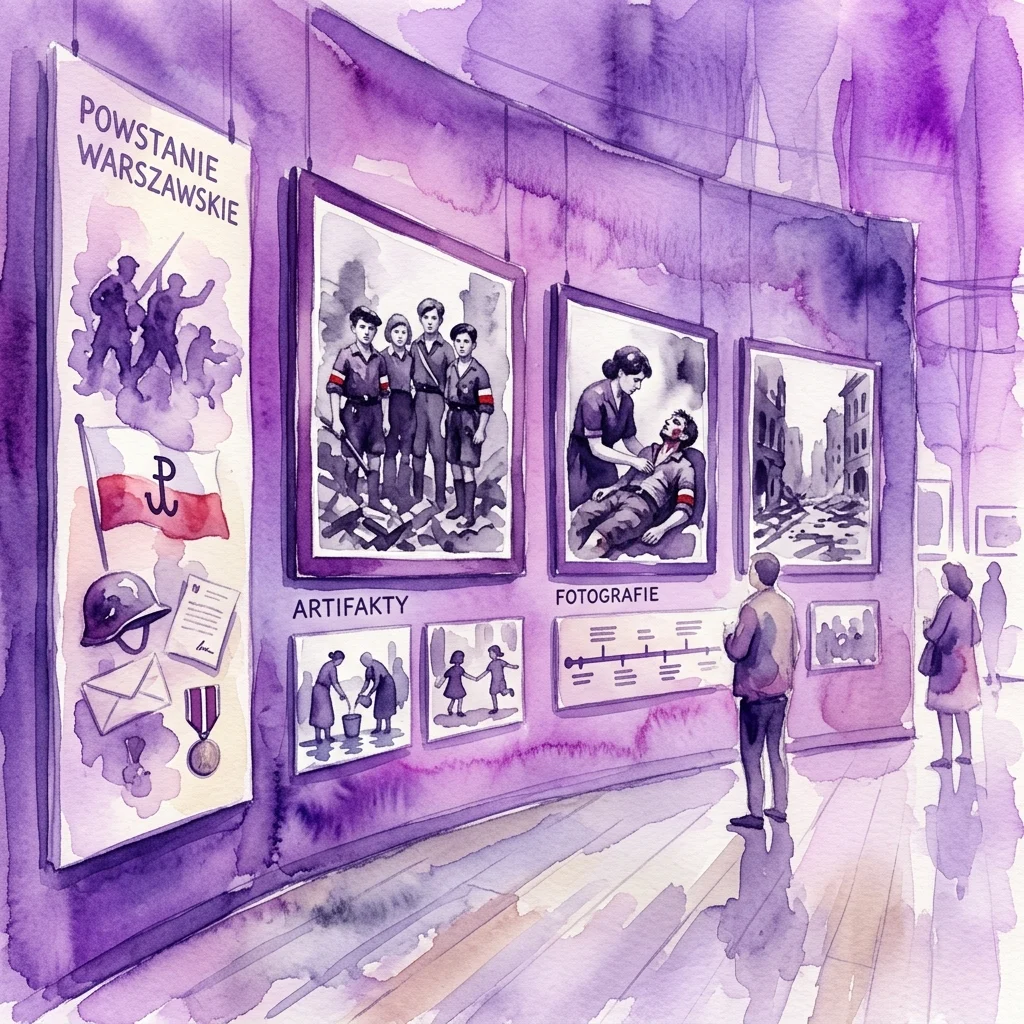
Discover the 'Warsaw Uprising 1944: Thirsty for Freedom' Exhibition and Personal Histories

Discover the 'Warsaw Uprising 1944: Thirsty for Freedom' Exhibition and Personal Histories

Explore a powerful exhibit on Polish history and World War II.

This exhibition presents authentic personal memories and artifacts from the Warsaw Uprising 1944. Learn about the daily lives, struggles, and hopes of insurgents through photographs and testimonies. Gain a unique insight into a pivotal chapter of Polish history.

Warsaw Uprising Exhibition
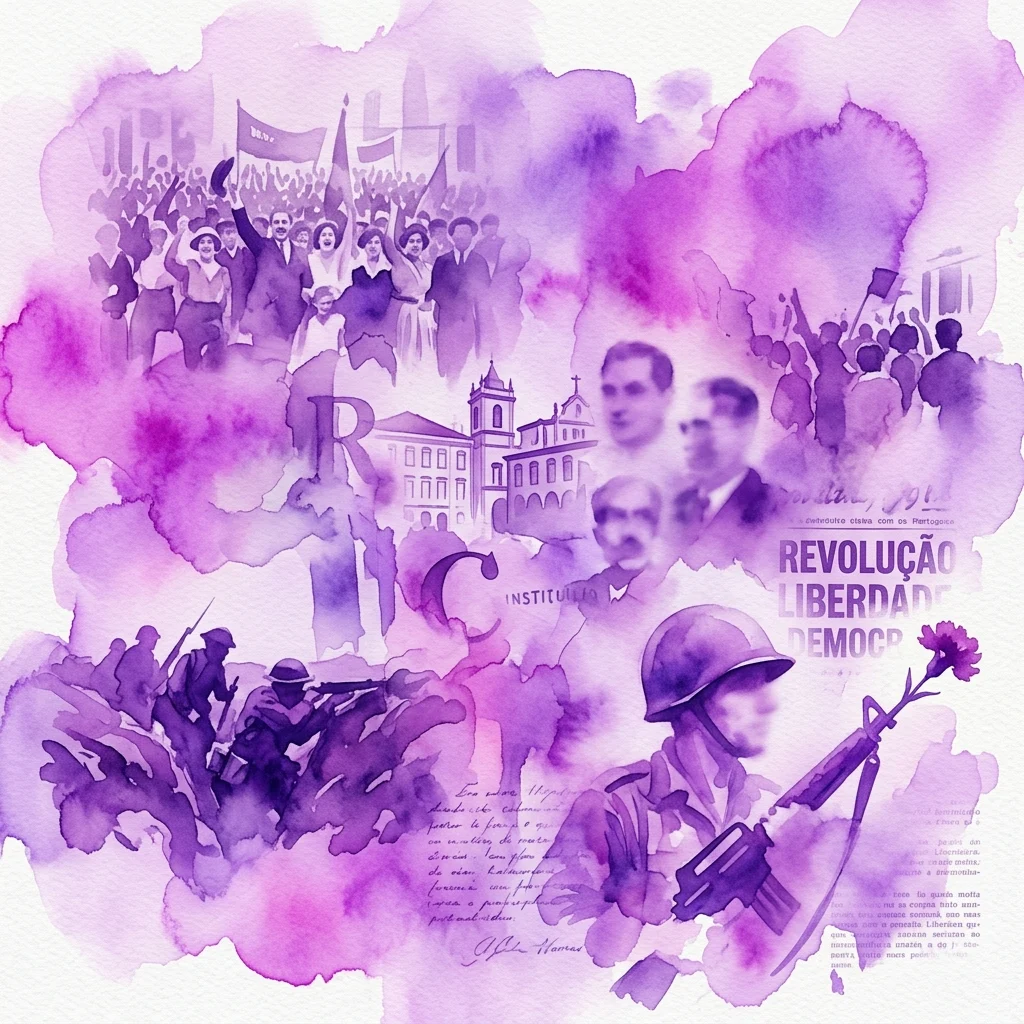
A purple watercolor illustration depicting key moments in Portuguese 20th-century history, including the Carnation Revolution, with text elements like 'Revolução', 'Liberdade', and 'Democracia' and imagery of soldiers, crowds, and historical figures.

Explore Portugal's 20th Century History: From Monarchy to Carnation Revolution

A visual and historical account with over 120 rare archival photographs.

Uncover Portugal's journey through its 20th-century political and social upheaval. This publication combines historical texts with over 120 previously unknown photographs, detailing key periods including the Salazar dictatorship and the Carnation Revolution.

Portuguese History
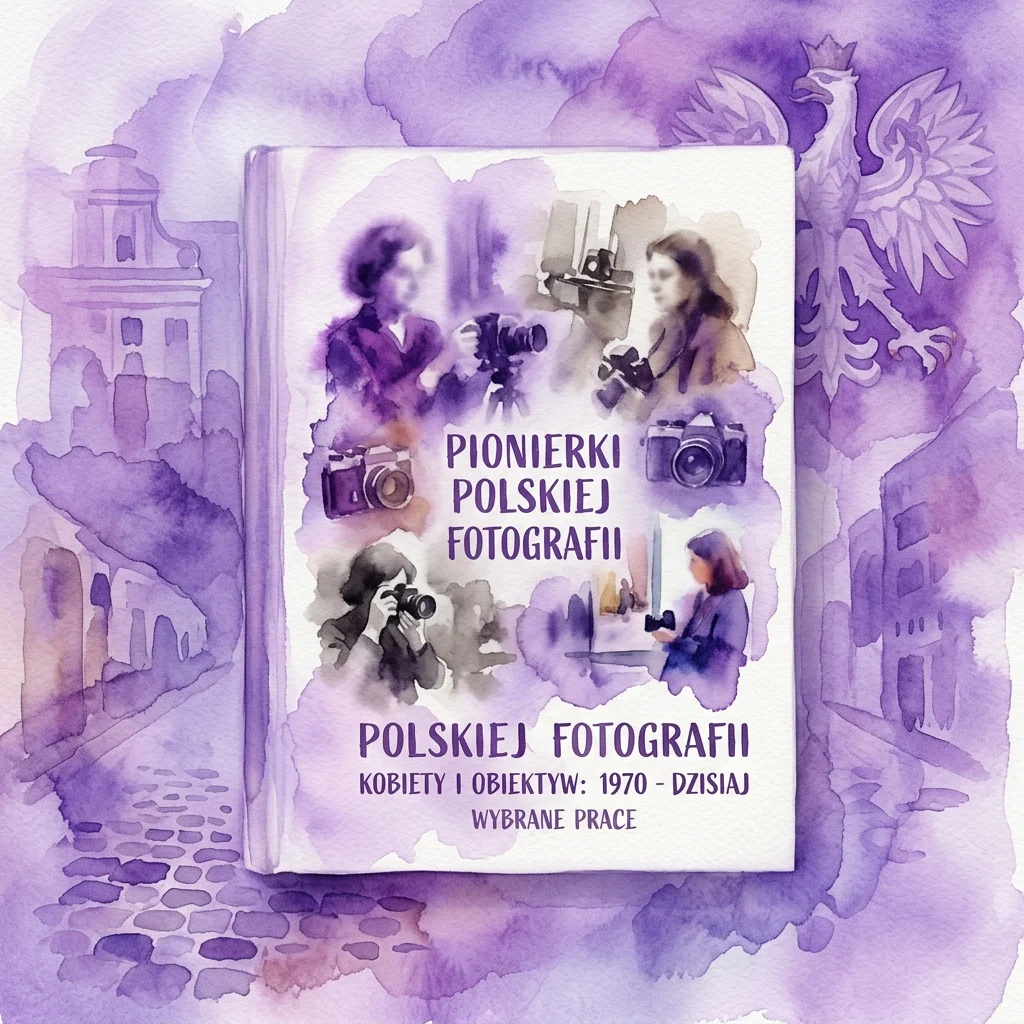
Book cover titled 'Pionierki Polskiej Fotografii' featuring watercolor illustrations of female photographers with cameras, set against a purple watercolor background with Polish architectural elements and an eagle emblem.

Monika Szewczyk-Wittek's Book on Pioneering Polish Female Photographers

Uncover their unique stories and impact on Polish visual arts.

This publication by Monika Szewczyk-Wittek highlights women photographers who shaped Polish visual culture. Explore their biographies and artistic contributions across various genres from the 1970s onward. A vital read for photography enthusiasts and historians.

Book Details
A watercolor illustration of a photographer using a vintage large-format camera on a tripod in a European street, evoking the photographic adventures of Witold Marczewski from Baku to Paris.

Witold Marczewski: From Baku to Paris Photographic Adventures Exhibition

A century-old journey showcasing global landscapes and historical moments.

Explore a unique collection by Witold Marczewski, a Polish electrical engineer and photography enthusiast. His vast archive captures diverse locations from Baku to Paris, documenting landscapes, architecture, historical events, and daily life through his lens.

View Exhibition Details
A purple watercolor illustration depicting women in domestic and social settings during the People's Republic of Poland, with text reading 'ŻYCIE CODZIENNE W PRL' and 'KOBIECY BUDUJĄ SOCJALIZM', referencing a book on women's daily life in the PRL era.

Błażej Brzostek Discusses 'Daily Life of Women in PRL' at the History Meeting House

Explore women's societal roles and experiences during the Polish People's Republic.

Join historian Błażej Brzostek as he discusses his latest book on the nuanced daily lives of women in the PRL. Gain insights into their historical context and personal motivations from this fascinating era.

Author Meeting Details
A purple watercolor illustration of a street scene with people, a tram, and buildings, evoking early 20th-century Poland.

Marjan Fuks: Early Polish Photojournalism and History Exhibition Catalog

Pioneering photographs of interwar Poland and its defining moments.

Discover the influential work of Marjan Fuks, the 'king of Polish photojournalists', through this historical exhibition catalog. It features his compelling images and insights into Poland's rebirth and social landscape. The catalog showcases documentation of pivotal events and daily life in interwar Warsaw.

Exhibition Catalog
Warsaw

Discover What's On: Find Current Exhibitions Across Warsaw's Cultural Scene

Explore diverse art, historical displays, and cultural shows in the capital.

Seamlessly browse through an array of captivating exhibitions throughout Warsaw. Easily pinpoint your next cultural adventure, from major art installations to insightful historical presentations. Find new and inspiring displays to enrich your visit.